Industries · Heavy Engineering

Heavy Engineering Coating Solutions

Protective coating systems for large fabricated structures — airless and plural-component delivery engineered for DFT consistency.

Overview

Heavy Engineering

Overview

Plural-component and airless coating systems for structural steel, shipyards, energy, and infrastructure.

Environment

Large work envelopes, variable ambient conditions, demanding protective coating specs.

Context

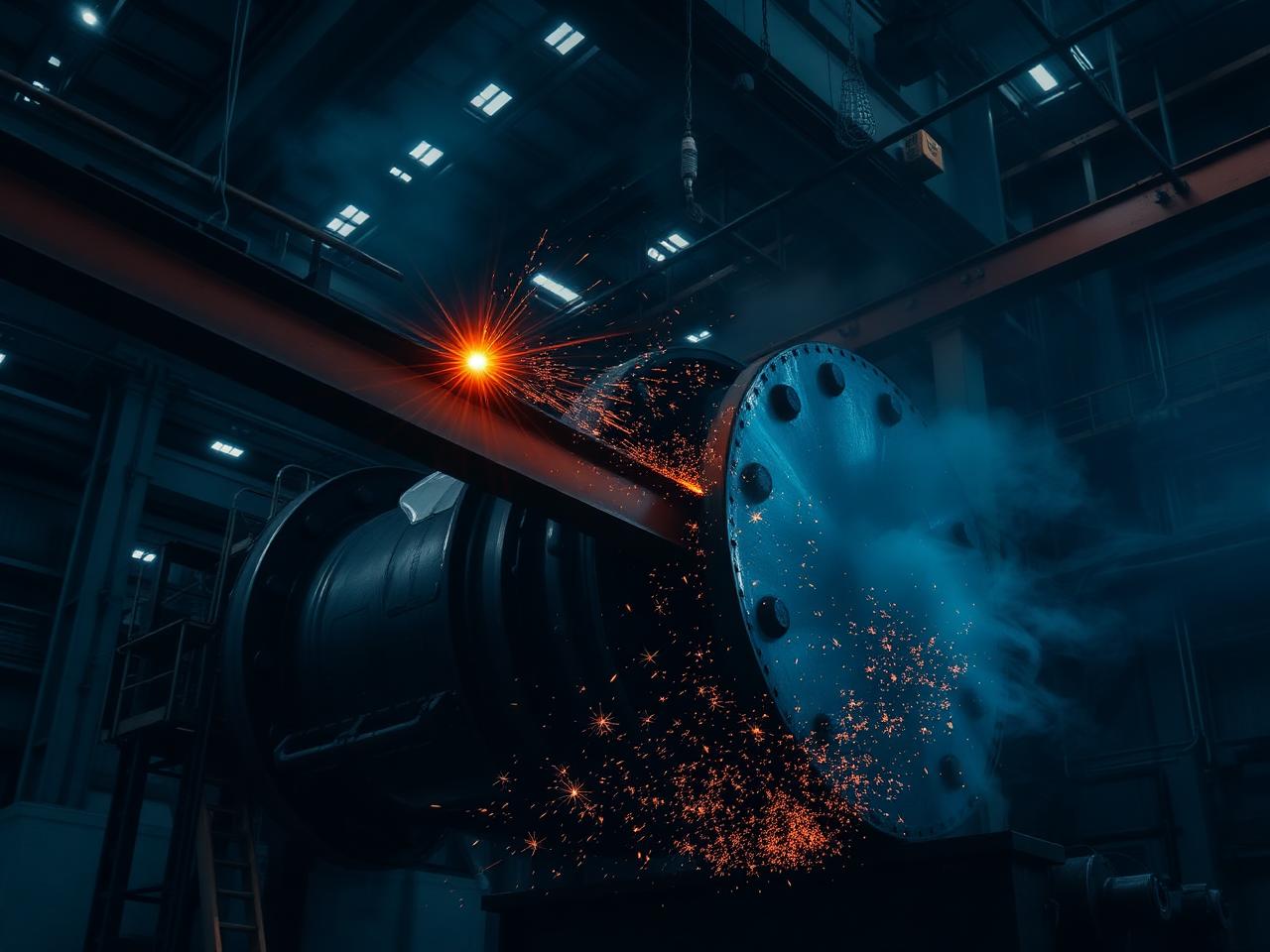
Structural sections, pressure vessels, hulls, wind components, and heavy fabrications.
Problem Statement

The operational reality on the floor.

DFT inconsistency

Coverage drifts across large surfaces and operators.

Recoat window slips

Process delays push parts outside their recoat envelope.

Material loss on overspray

Large parts amplify low transfer efficiency.

Manual process risk

Heavy, repetitive application increases ergonomic load.

Challenges Faced

What slows the line down today.

Material loss

Inconsistent transfer efficiency wastes coating material across shifts.

Slow throughput

Manual steps cap line speed and limit takt-time flexibility.

Labour dependency

Operator-driven processes create variation between shifts.

Quality variation

Finish, DFT, and gloss drift without closed-loop control.

Proposed Solution

How Spraynex engineers the answer.

A repeatable engineering process — from on-site assessment through commissioning and lifecycle optimisation.

  1. Step 01
    Assessment
  2. Step 02
    Engineering Design
  3. Step 03
    Equipment Selection
  4. Step 04
    Automation Integration
  5. Step 05
    Commissioning
  6. Step 06
    Optimization
Results & Outcomes

What changes on the production floor.

Qualitative outcomes Spraynex customers consistently see after deployment. Quantitative impact is scoped against your baseline during engineering.

Improved consistency

Closed-loop control stabilises finish quality across batches and shifts.

Reduced material waste

Engineered atomisation and transfer efficiency lower coating spend.

Higher production efficiency

Automation removes manual bottlenecks and increases line availability.

Reduced manual intervention

Operators move from execution to supervision and process tuning.